
Discover unforgettable Tanzania tours and safaris
with local expert guidance.
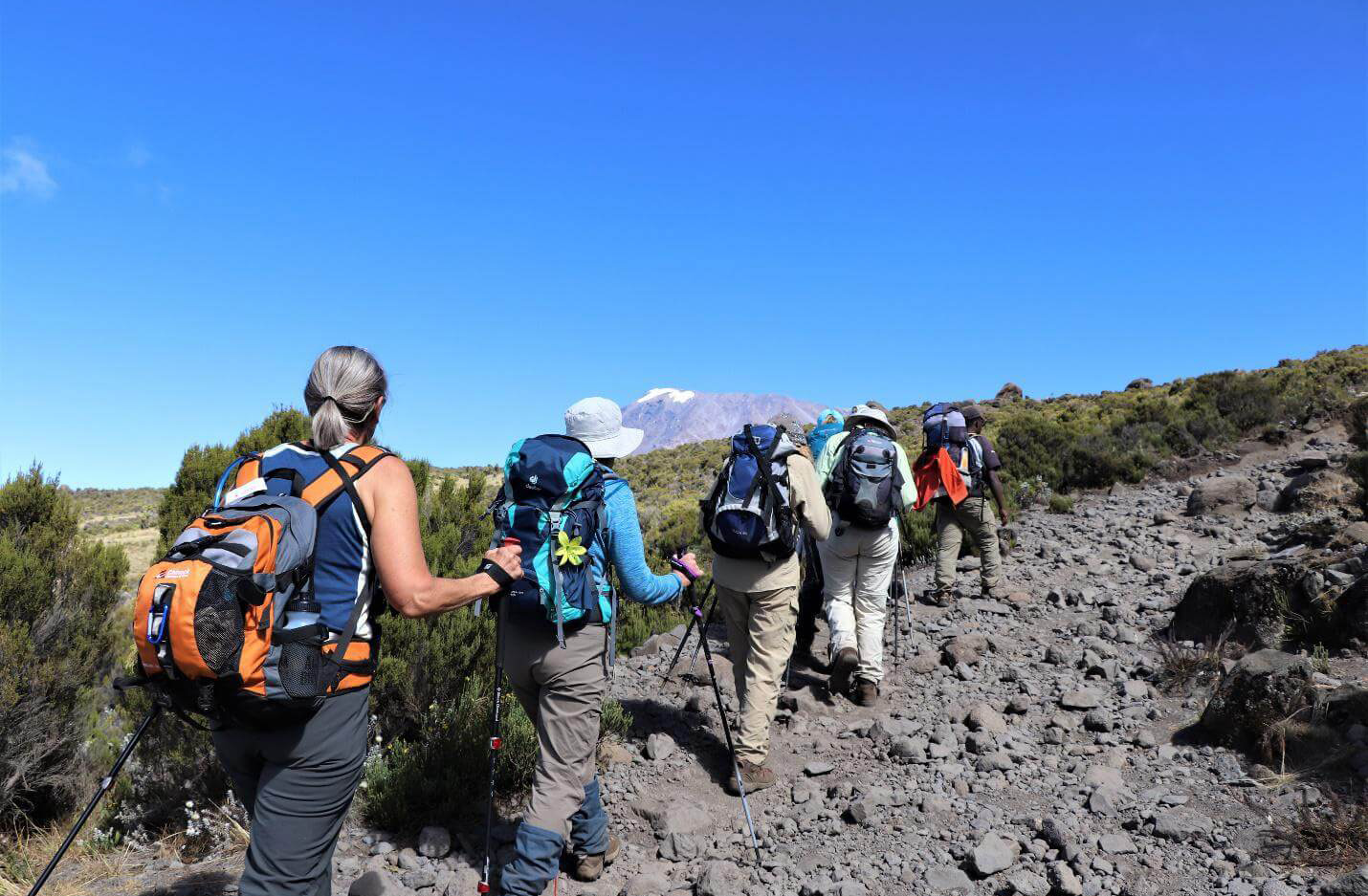
The Marangu Route is Kilimanjaro's classic hut-based route and one of the most practical choices for trekkers who want proper mountain shelters instead of camping. It is the only main route with dormitory-style huts at Mandara, Horombo, and Kibo, making it especially attractive for climbers who value a little extra comfort on the mountain.
This route can be climbed in 5 days or 6 days. The 5-day version is shorter and more budget-conscious, while the 6-day version adds an acclimatization day at Horombo Hut and is the better choice for most trekkers because it improves recovery and gives a stronger summit profile.
Both versions follow the same overall line from Marangu Gate through rainforest, moorland, alpine desert, and finally the summit zone. On this page you can compare both options side by side and choose the pace that matches your fitness, budget, and summit goal.
January to March and June to October are usually the best seasons for the Marangu Route, with drier trail conditions and clearer summit weather. The route can operate year-round, but wetter months usually mean muddier forest sections, colder conditions on summit night, and lower visibility higher on the mountain.
This shorter version suits climbers with limited time, but it has a faster altitude profile and is less forgiving than the 6-day option.
After registration at Marangu Gate, the climb begins through rainforest where the trail is shaded, humid, and rich with birdlife. This opening day is about setting a steady pace and reaching Mandara Hut in good shape for the higher stages ahead.
Accommodation: Mandara Hut
Leave the forest behind and climb into heather and moorland with broader views across the mountain. The air gets thinner at Horombo Hut, so hydration and controlled pacing start to matter much more from this point onward.
Accommodation: Horombo Hut
The trail crosses the saddle between Mawenzi and Kibo, entering an alpine desert landscape that feels stark and high. This is a preparation day for summit night, so the main goal is to conserve energy, eat well, and rest early at Kibo Hut.
Accommodation: Kibo Hut
Start before midnight for the long climb to Gilman's Point and continue along the crater rim toward Uhuru Peak. After sunrise on the summit, descend carefully to Kibo and continue down to Horombo Hut for a much-needed recovery night.
Accommodation: Horombo Hut
Descend through moorland and rainforest back to Marangu Gate to complete park formalities and receive your certificate if successful. You then transfer back to your hotel for showers, rest, and celebration.
Accommodation: End of climb or hotel add-on
This is the recommended version because the extra acclimatization day at Horombo usually gives climbers a better summit chance and a more manageable pace.
Begin the trek through dense forest and settle into the mountain pace on a well-established trail. The day is steady and non-technical, ideal for a controlled first ascent and an organized start with the guide team.
Accommodation: Mandara Hut
Climb beyond the forest belt into open moorland with views of Mawenzi and the upper mountain. By the time you reach Horombo Hut, the environment is drier, more exposed, and clearly higher in altitude.
Accommodation: Horombo Hut
This extra day is used for an acclimatization hike toward Zebra Rocks or nearby slopes before returning to Horombo Hut to rest. It gives your body more time to adjust before the more serious altitude gain to Kibo and summit night.
Accommodation: Horombo Hut
Cross the high saddle between Mawenzi and Kibo in stark alpine terrain. This day is all about controlled effort and preparation for the summit attempt, with an early dinner and rest at Kibo Hut.
Accommodation: Kibo Hut
Set out around midnight for the hardest section of the climb, reaching Gilman's Point before continuing to Uhuru Peak if the pace and condition of the group remain strong. After summit photos and a short stop, descend all the way back to Horombo Hut for recovery.
Accommodation: Horombo Hut
Make the final descent through the lower mountain zones to Marangu Gate where your trek concludes. Transfer back to town for rest, post-climb support, and onward travel if arranged.
Accommodation: End of climb or hotel add-on


